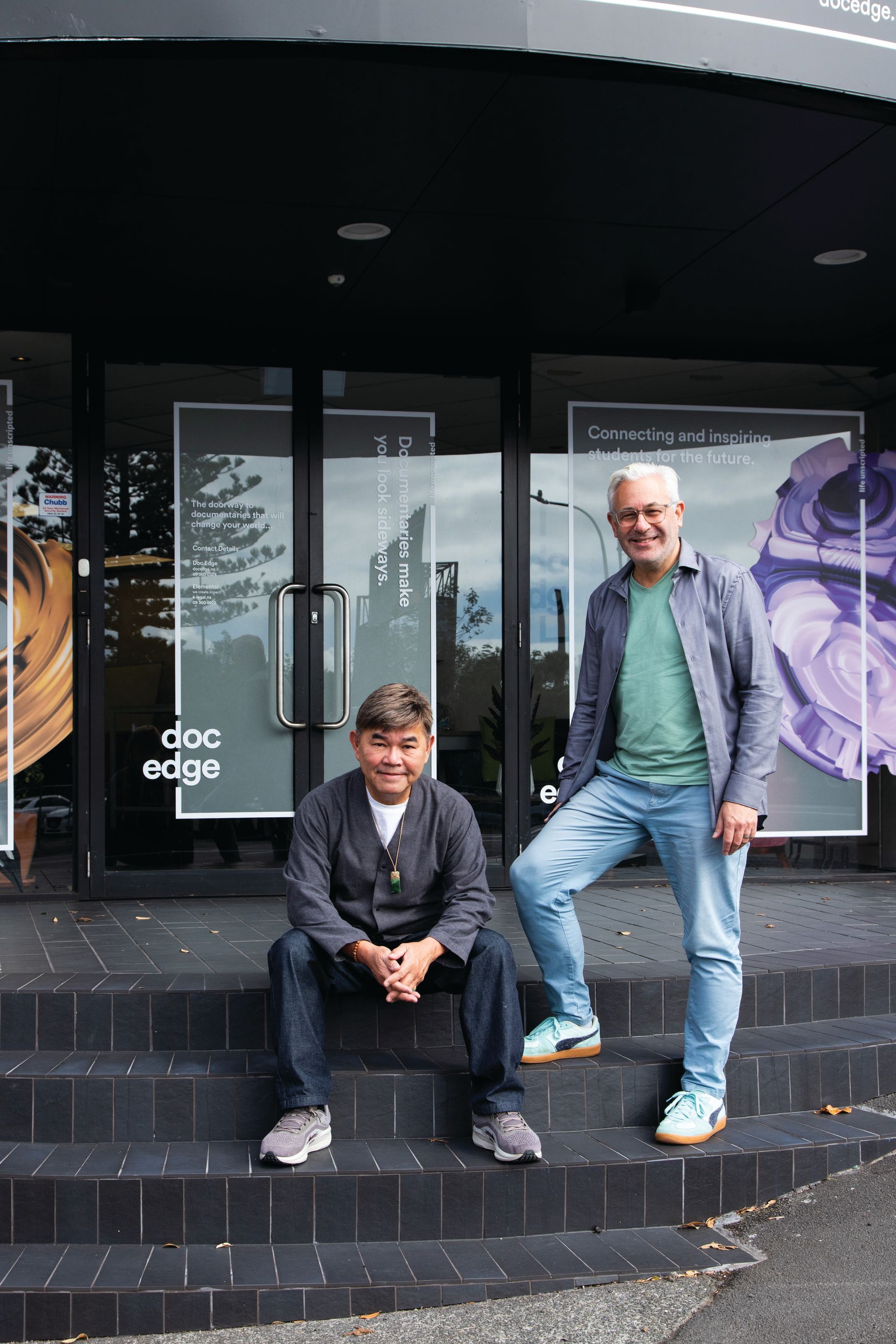
The model is deliberate. By bringing global players into the room, Dan and Alex create competitive tension- and opportunity.
"It's not enough to have just local decision-makers," Alex says. "When international buyers show interest, it can shift perception. Suddenly people here start asking, 'what are we missing?""
They invest just as intentionally in the future. Through a schools programme aligned with the curriculum, Doc Edge introduces young audiences to documentary storytelling early-building both future viewers and future filmmakers.
"It's about starting young," says Dan. "These are the story- tellers of tomorrow."
Still, the realities of working in documentary remain stark. When asked what advice they give emerging filmmakers, the pair joke about a well-known line in the industry: marry rich. The humour lands because there's truth behind it.
"Most filmmakers do it out of passion," says Dan. "But it shouldn't be that way. Documentary deserves to be funded like any other film, and it isn't."
"Most filmmakers do it out of passion, but it shouldn't be that way. Documentary deserves to be funded like any other film, and it isn't."
The challenges have only intensified post-COVID. Global streaming platforms, once buyers of independent work, are increasingly commissioning in-house-shaping not just the economics, but the editorial landscape.
"There's a certain style you see now," Alex says. "The 'Netflix formula'. And often they avoid the most difficult, controversial subjects."
For Doc Edge, funding remains the most persistent pressure. In a small market with limited arts investment and cautious corporate sponsorship, the organisation has turned to building a base of patrons - supporters who believe in the role documentary plays in a functioning society.
"I had no idea that after 20 years it would still be this tough," Dan admits.
For all the pressure, it's the audience response that keeps them going.
"The thing I love most is the impact," Dan says. "You see it during the festival - in the screenings, the Q&As, the conversations afterwards. We spend the whole year getting there, and it's hard work. But then you see how the films land with people, and that's why we keep doing it."
form.
Documentary, he adds, has evolved far beyond its traditional
"It's not the old "voice of God' telling you what to think. The storytelling now is so diverse, so creative. People might come for one film - and then discover twenty more they didn't expect to love." For Alex, that impact is part of a much longer human tradition. "Storytelling is fundamental to who we are," he says. "From the earliest times, we've sat together and shared stories: about where we come from, what we value, what we pass on."
He often returns to a line from Chilean filmmaker Patricio Guzmán: a country without documentaries is like a family without photo albums.
"It's how we understand our past, our present - and what we might become."
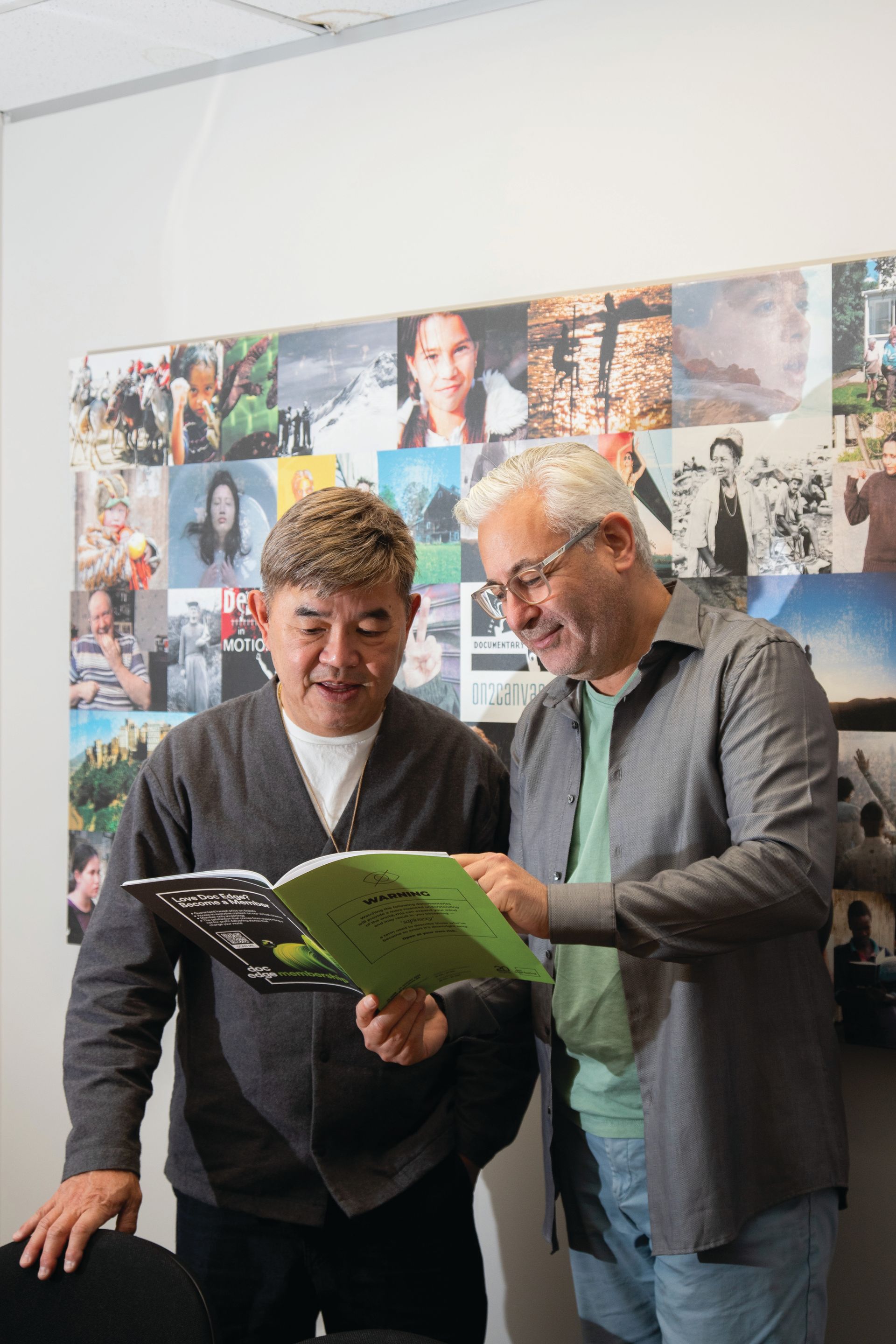
And through it all, the partnership at the centre of Doc Edge has endured.
"I think our values are very similar," says Alex. "It's rare in business to have someone where you instinctively know they've got your back."
Dan agrees. "Beyond the business, it's a friendship. We spend time together outside of work, with our families. That matters."
In an industry defined by uncertainty, that kind of stability-like documentary itself may be one of the few things you can rely on.
Doc Edge programme
out now
Festival starts in Auckland on 24 June 2026
Join the journey of impact storytelling.
Become a member, patron or partner.
VISIT DOCEDGE.NZ | @DOCEDGEFEST
6 Picks
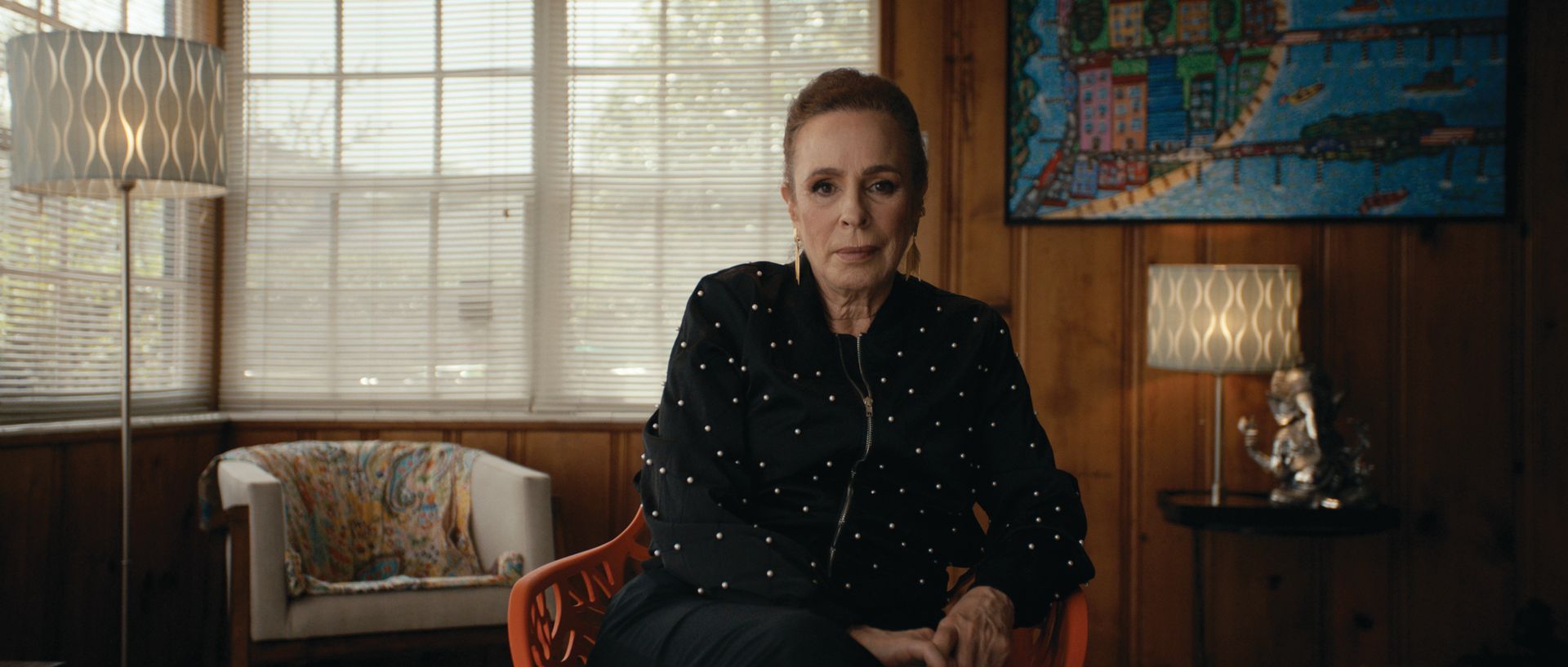
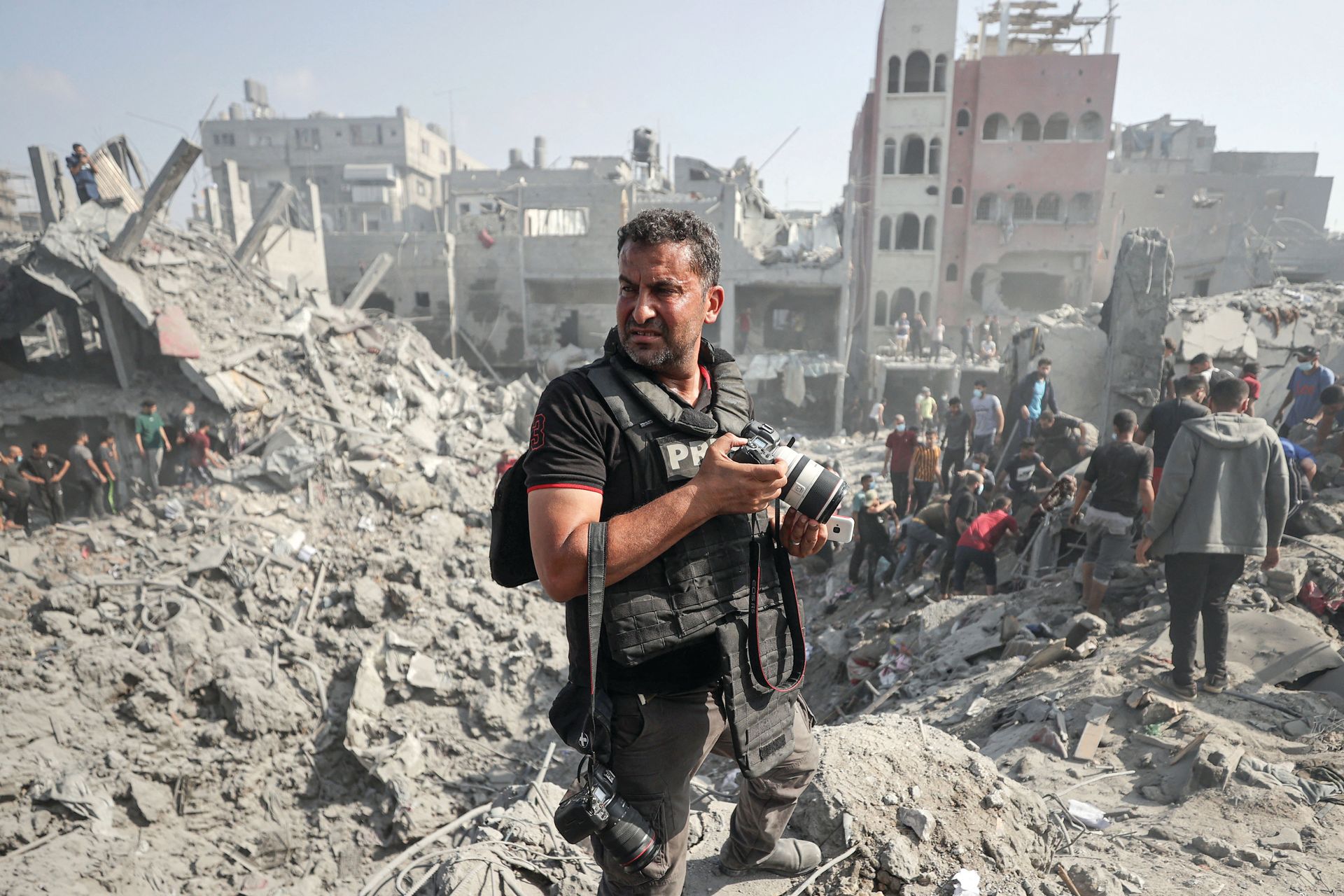
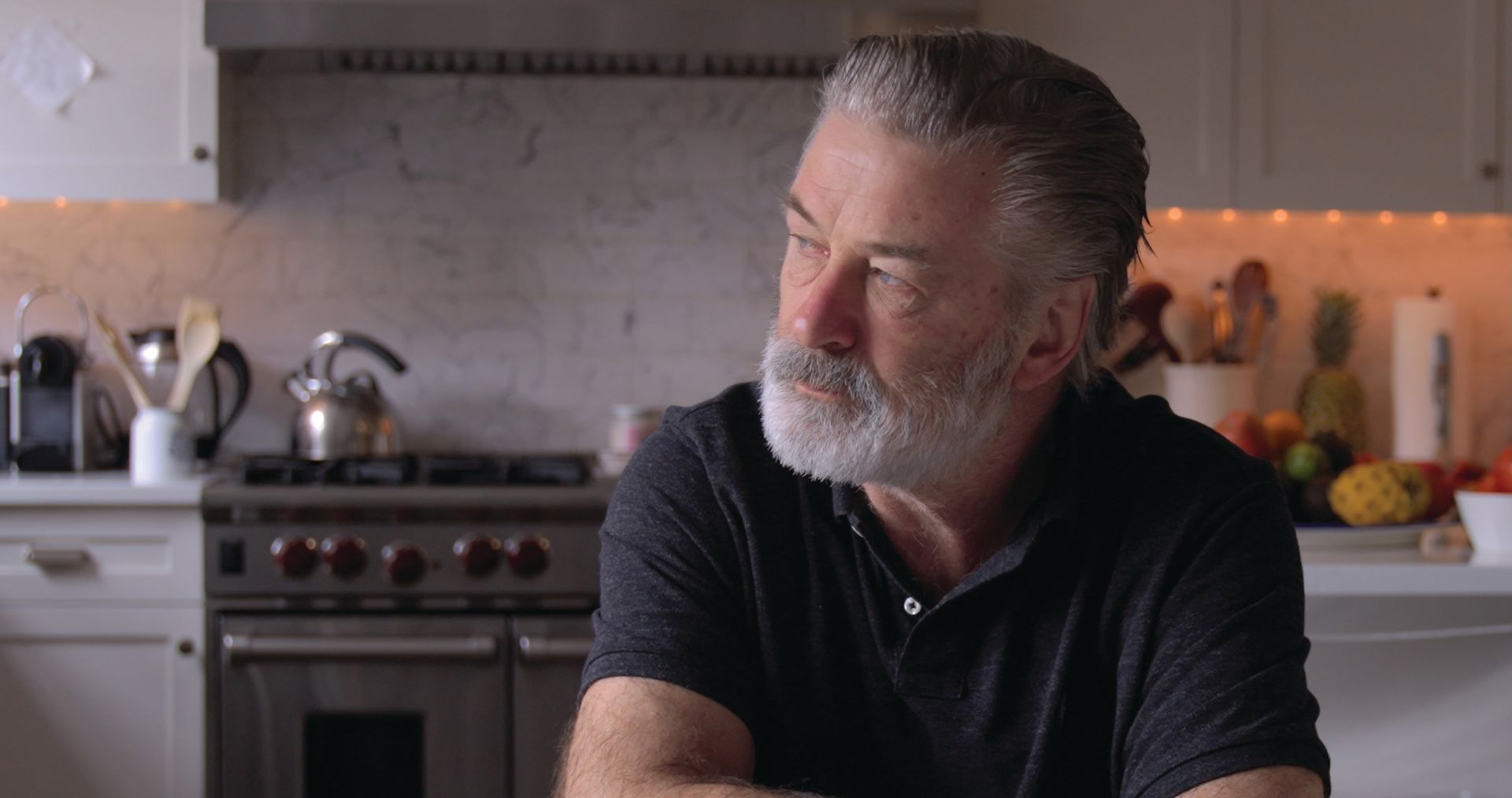
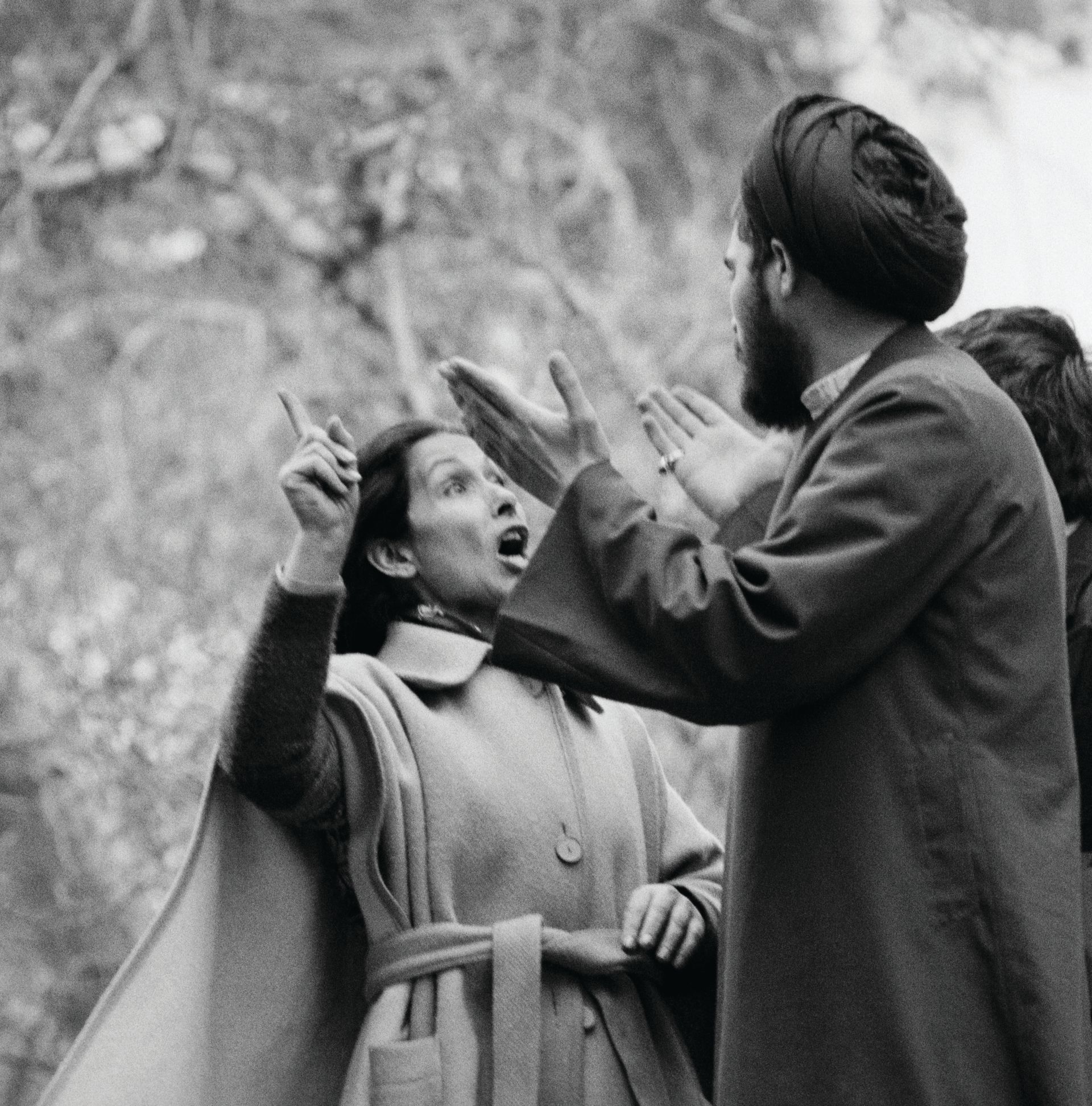
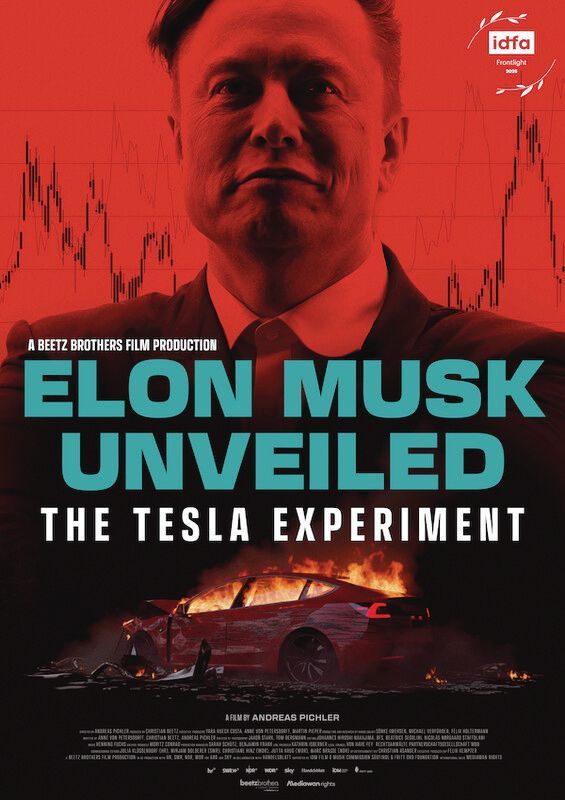
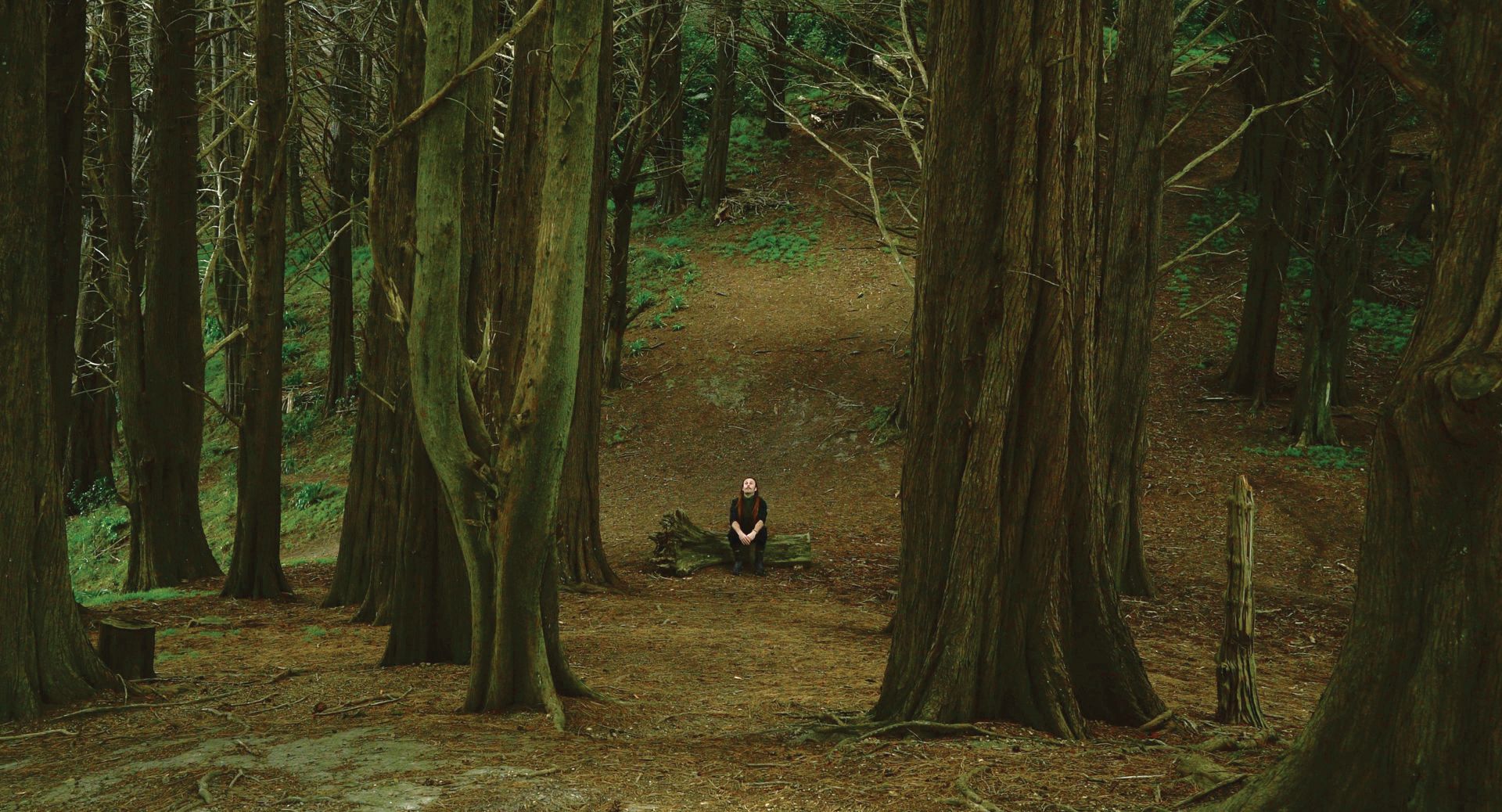
Powerful, provocative and deeply human, the films featured at Doc Edge Festival offer audiences a window into stories from New Zealand and across the globe. With just the first 18 titles released when this issue went to print, selecting only six films for this page was a challenge - but here are few standout documentaries to start your festival journey.