Dalmation Cultural Society
Words: Russell Brown
Photography: Supplied
When the Dalmatian Cultural Society moved into its home in Uptown in 1983, it represented a coming-together on more than one level.
At that time, it was called the Yugoslav Society Inc, and since 1930, there had been two cultural societies representing Auckland's Dalmatian and wider Yugoslav community - primarily people from the Dalmatian coast of what is now Croatia, on the Adriatic sea- representing in turn different experiences of coming to New Zealand, different generations and, at times, very different political ideas.
The Yugoslav Club was founded by some of the pioneers who arrived in New Zealand in the early part of the 20th century, who had moved from the backbreaking work of digging gum to owning businesses and land. The Yugoslav Benevolent Society largely represented men and women who had arrived since war had reshaped their homeland and were more responsive to the new political ideas - communism included - coursing through Europe.
The two were founded months apart in 1930 and their names were significant. Yugoslavia - it means "southern Slavs" - had been a concept since the 17th century, but only became a country in 1929. Both opened rooms on Hobson Street - the Benevolent Society was the "top club" at 106 and the Yugoslav Club was the "bottom club" at 79a, where TVNZ stands now.
The Benevolent Society later relocated to the Tivoli Theatre on Karangahape Road (where the Cordis Hotel stands now) and established the Adriatic Ballroom, which became an important spot for early rock 'n' roll shows in the city.
Although there was tension between the two, especially in the wake of World War II, by the late 1970s, they represented very similar communities and in 1981 they merged as the Yugoslav Society Inc. Two years later, the Society bought its current home in Uptown, which became Villa Dalmacija. The location was a compromise between the orchardists and winemakers of West Auckland and the community descended from the Dalmatian quarrymen of Mt Wellington.
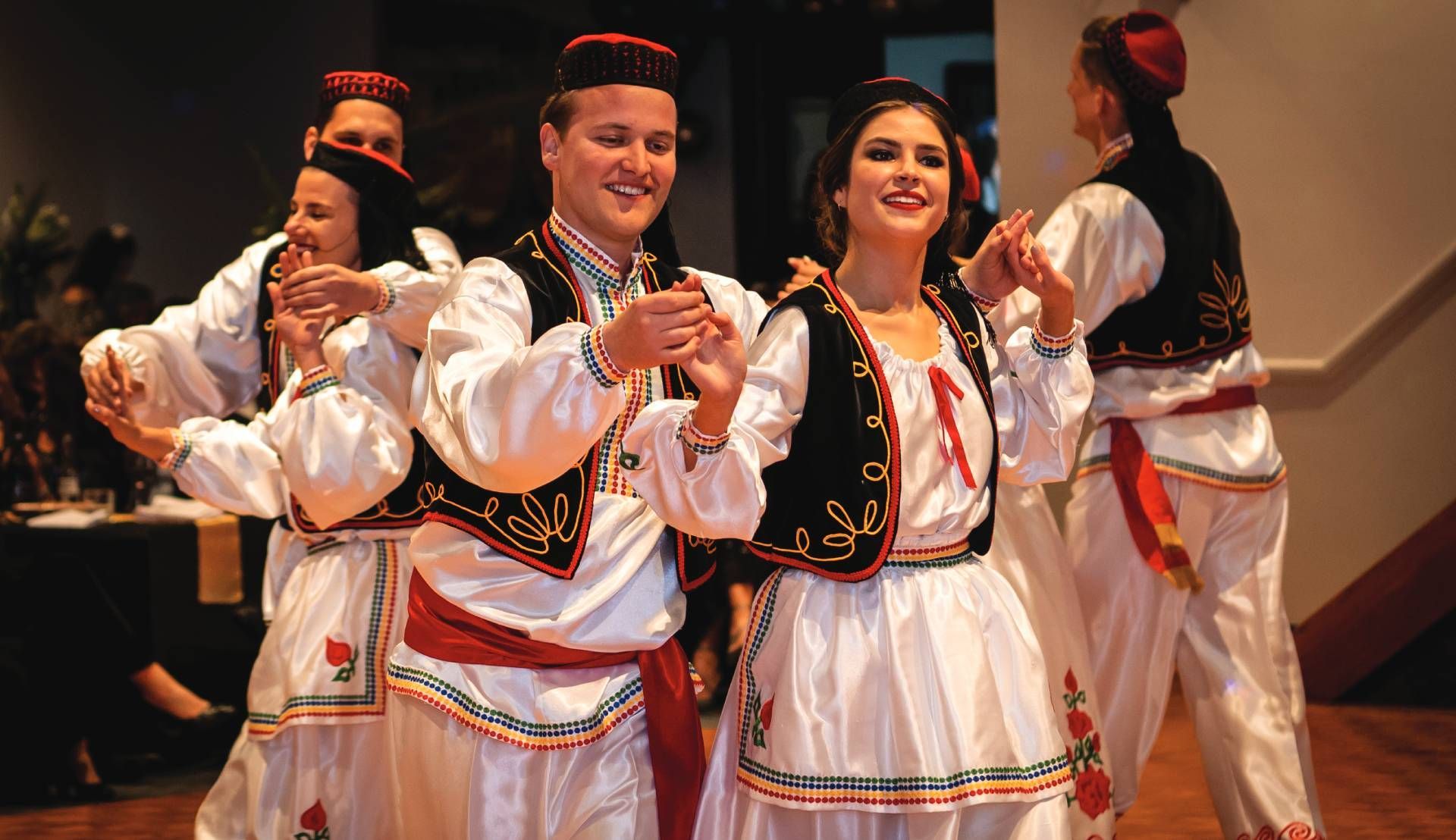
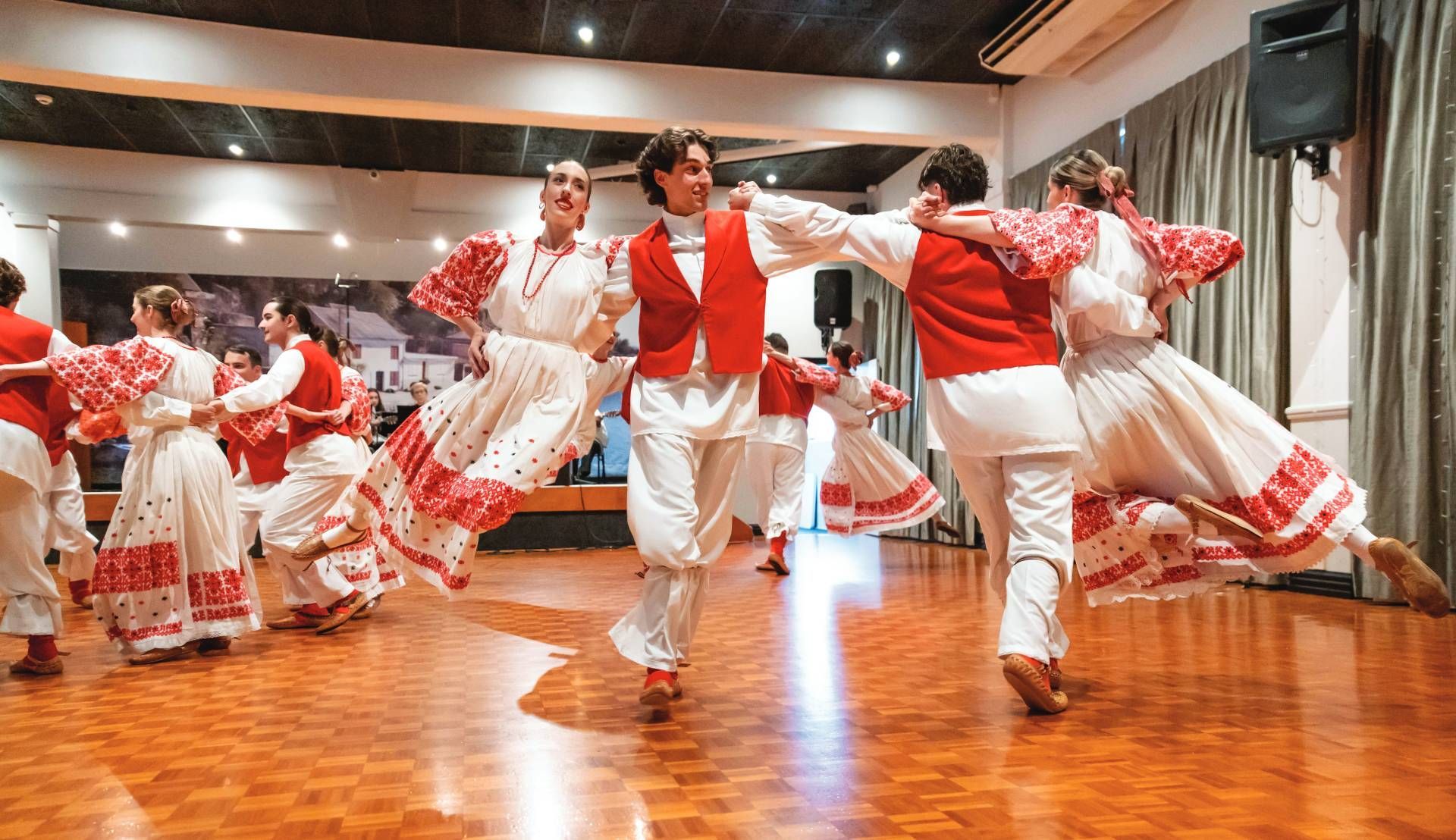
Following the Homeland Wars of the early 1990s, the Club was renamed the Dalmatian Cultural Society in honour of the original pioneers. Its aim is to preserve the history and culture not only of Dalmatians and other Croatians, but all nations that made up former Yugoslavia.
Today, "the club" is home to a rich museum and archive of the Dalmatian story in New Zealand but it is far more than that - it remains a vibrant, living centre of a culture that has helped shape the Auckland we know today.